Hyperliquid
29 articles tagged Hyperliquid.
29 Articles
29 entries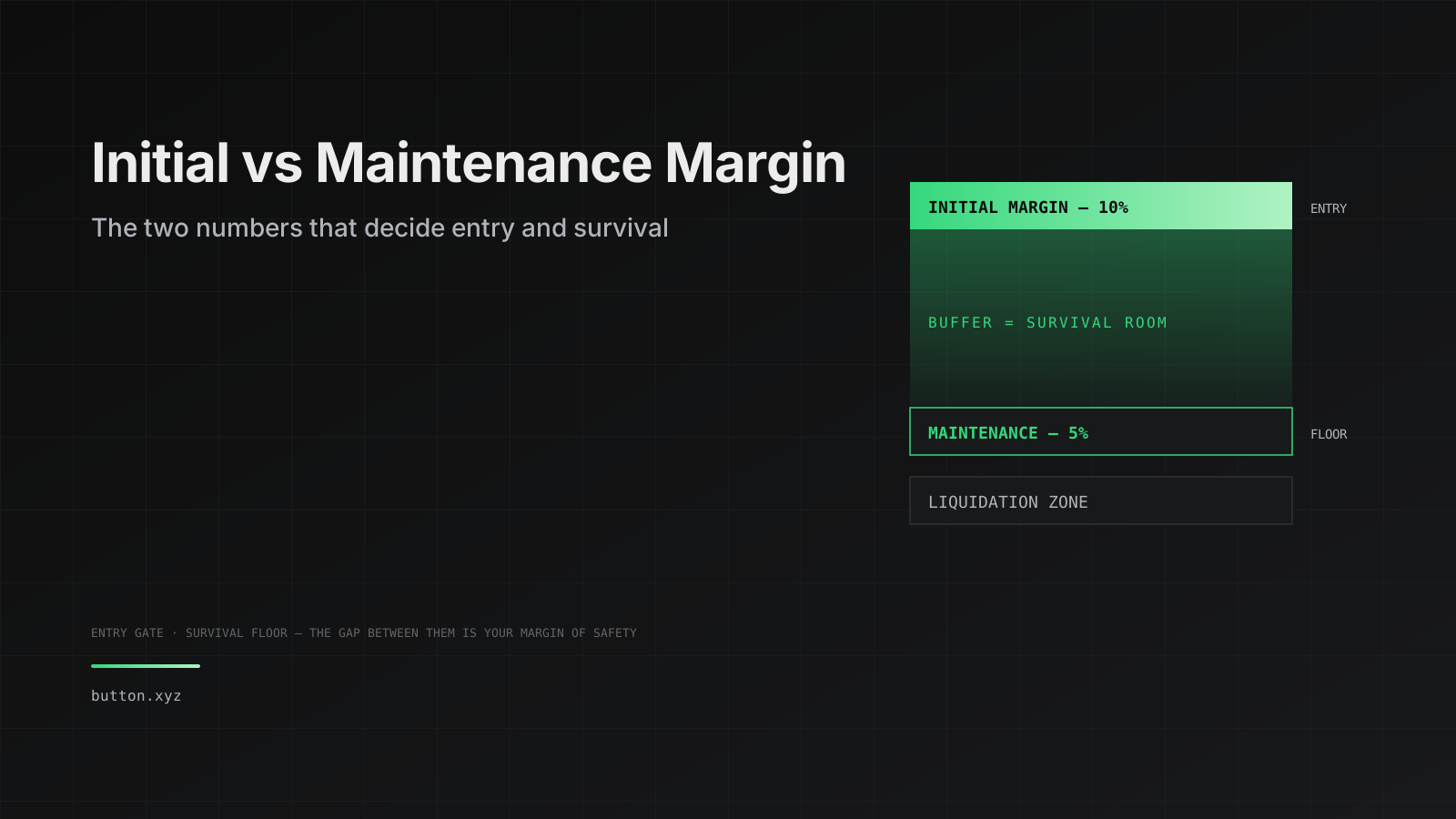
Initial vs Maintenance Margin Explained
The difference between initial and maintenance margin for crypto perps — how each works, when they matter, and how to avoid liquidation.
Read post →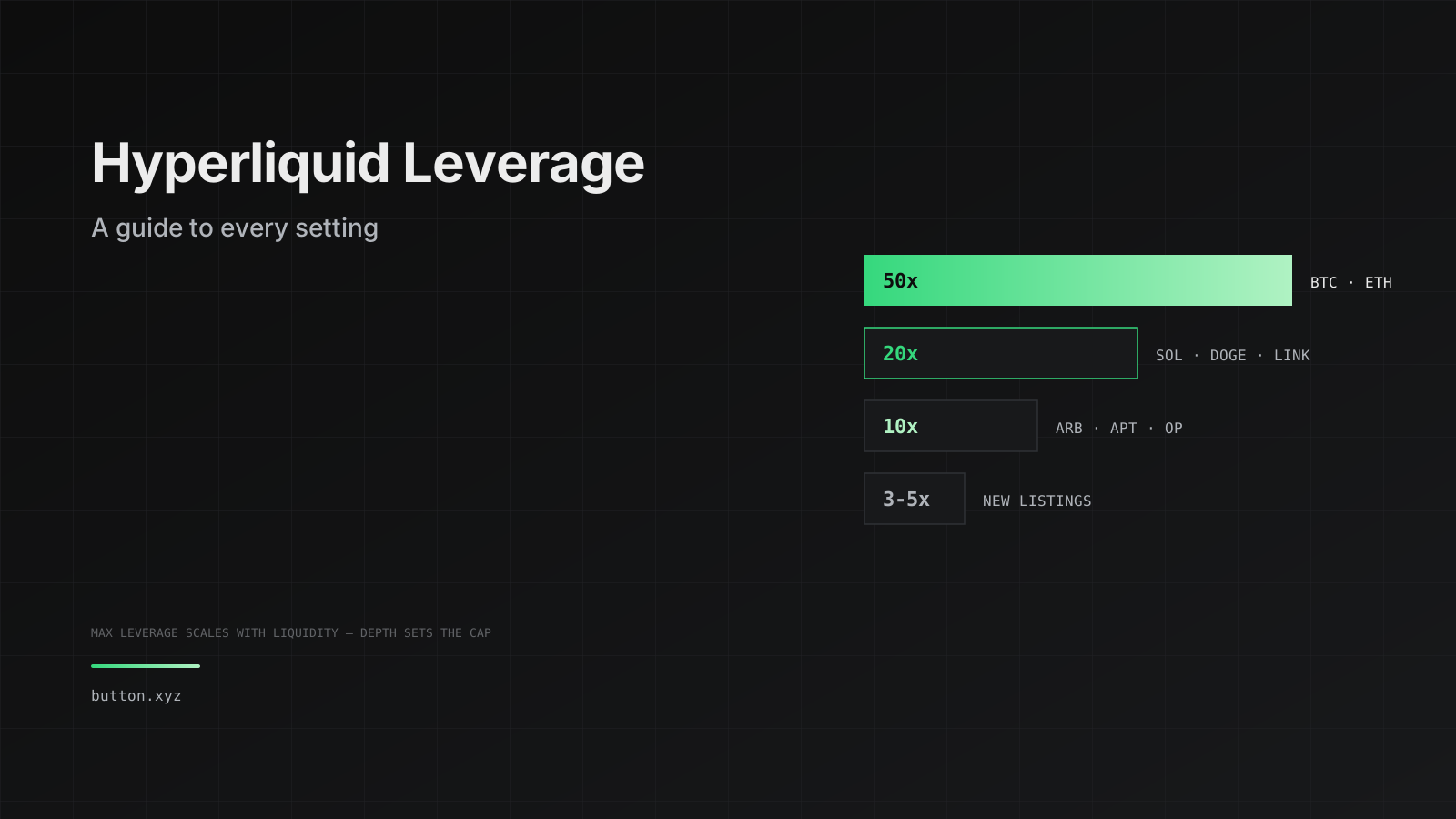
Hyperliquid Leverage: Guide to Every Setting
How leverage works on Hyperliquid — max leverage per pair, margin modes, liquidation mechanics, and the settings that keep you solvent.
Read post →
Open Interest: The Market Signal Traders Miss
What open interest is, how to read it for crypto perps, and how rising or falling OI signals trend strength, reversals, and liquidation risk.
Read post →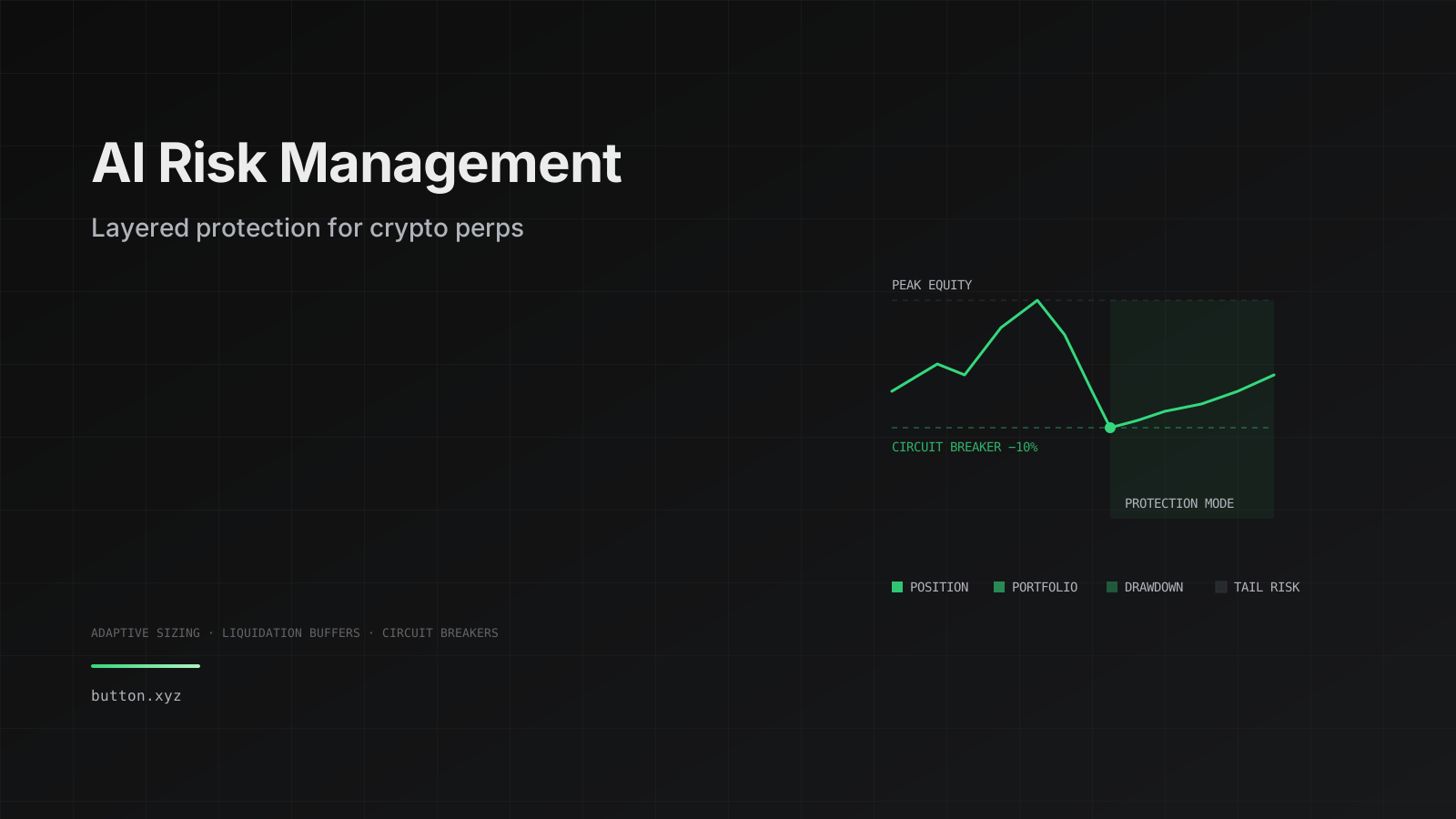
AI Risk Management for Crypto Trading
How AI-driven risk management protects crypto portfolios — dynamic sizing, liquidation prevention, correlation monitoring, and drawdown control.
Read post →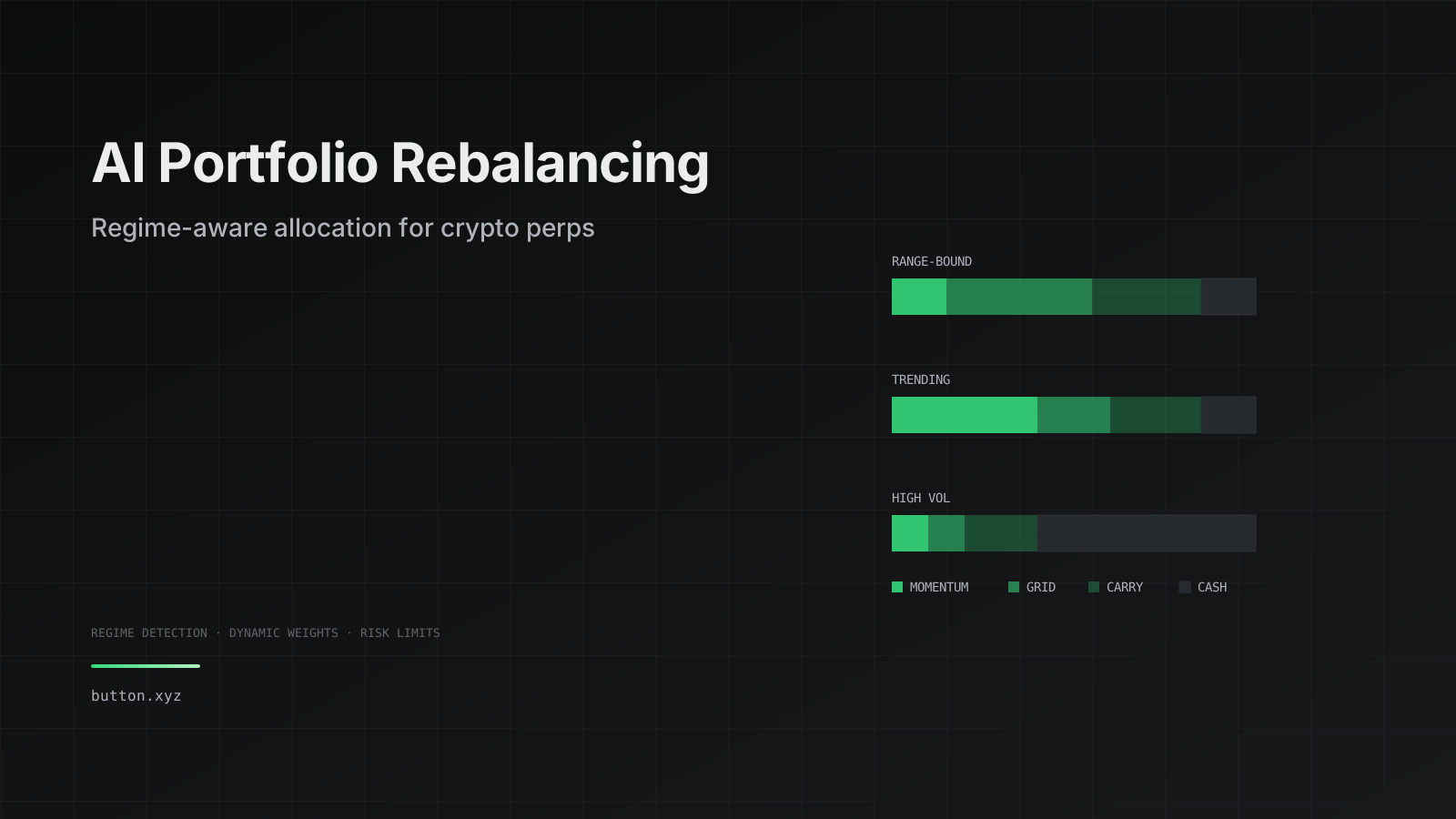
AI Portfolio Rebalancing for Crypto Traders
How AI-driven portfolio rebalancing works for crypto perps — dynamic allocation, regime-aware weighting, and automated risk adjustment.
Read post →
AI Trading Strategies for Crypto Perps
Six AI-enhanced trading strategies for crypto perpetual futures — how intelligence layers improve carry, grid, momentum, and risk management.
Read post →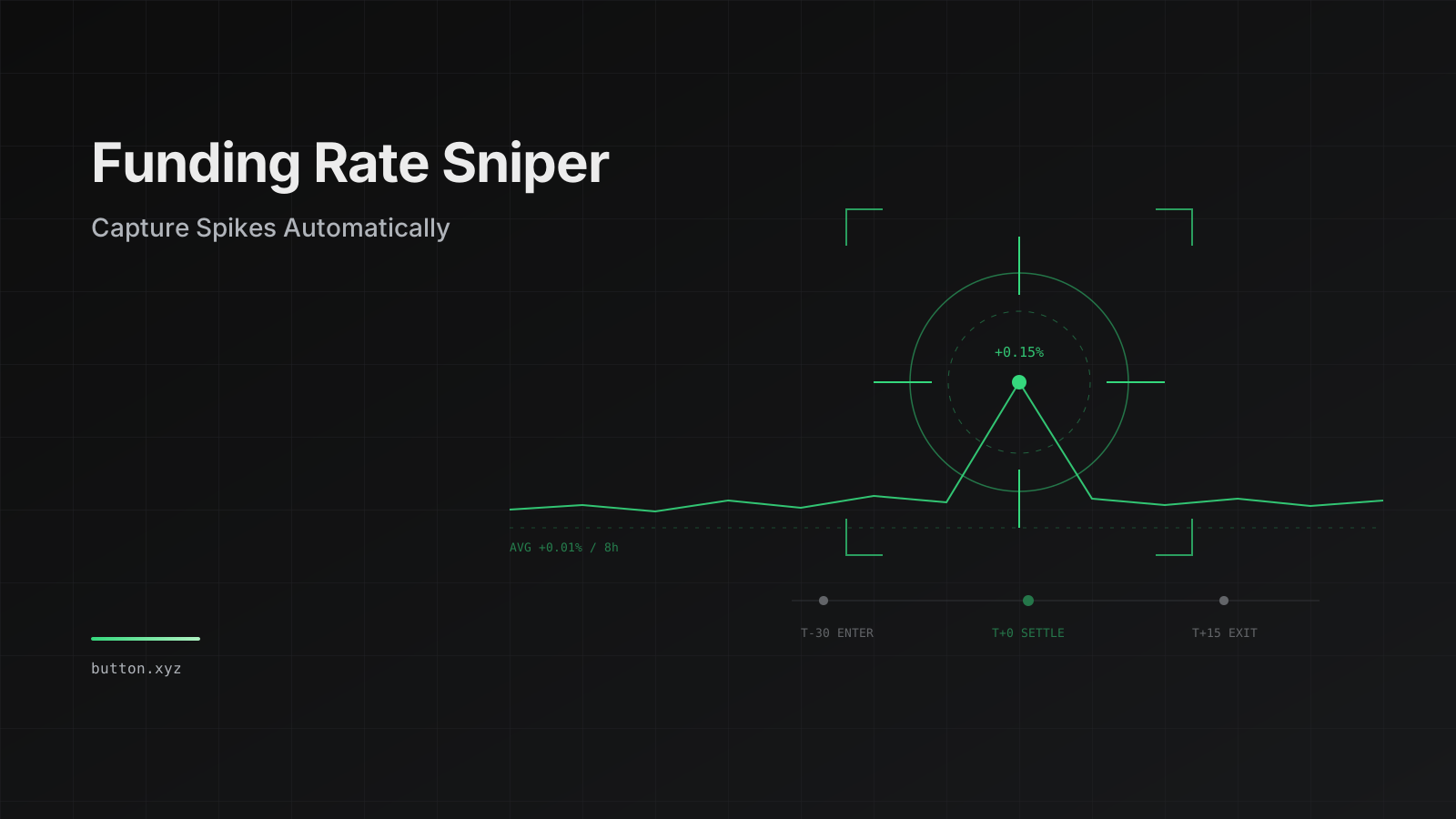
Funding Rate Sniper: Capture Spikes Automatically
How funding rate sniping works — detect spikes, enter before settlement, exit after, and automate the process for consistent yield.
Read post →
Best AI Trading Bots for Crypto (2026)
Ranked comparison of the best AI trading bots for crypto — capabilities, strategies, cost, and which bot fits your trading style.
Read post →
AI Perp Trading Bot: Smart Automation
How AI perp trading bots outperform rule-based systems — adaptive sizing, regime detection, and cross-exchange optimization for crypto futures.
Read post →
Hyperliquid Trading Strategies That Work
Proven trading strategies optimized for Hyperliquid — carry, grid, scalping, and event-driven approaches that exploit the DEX's fee structure.
Read post →
Binance Perps vs Hyperliquid: Which to Use
Head-to-head comparison of Binance and Hyperliquid for perpetual futures — fees, depth, funding, custody, and when to use each.
Read post →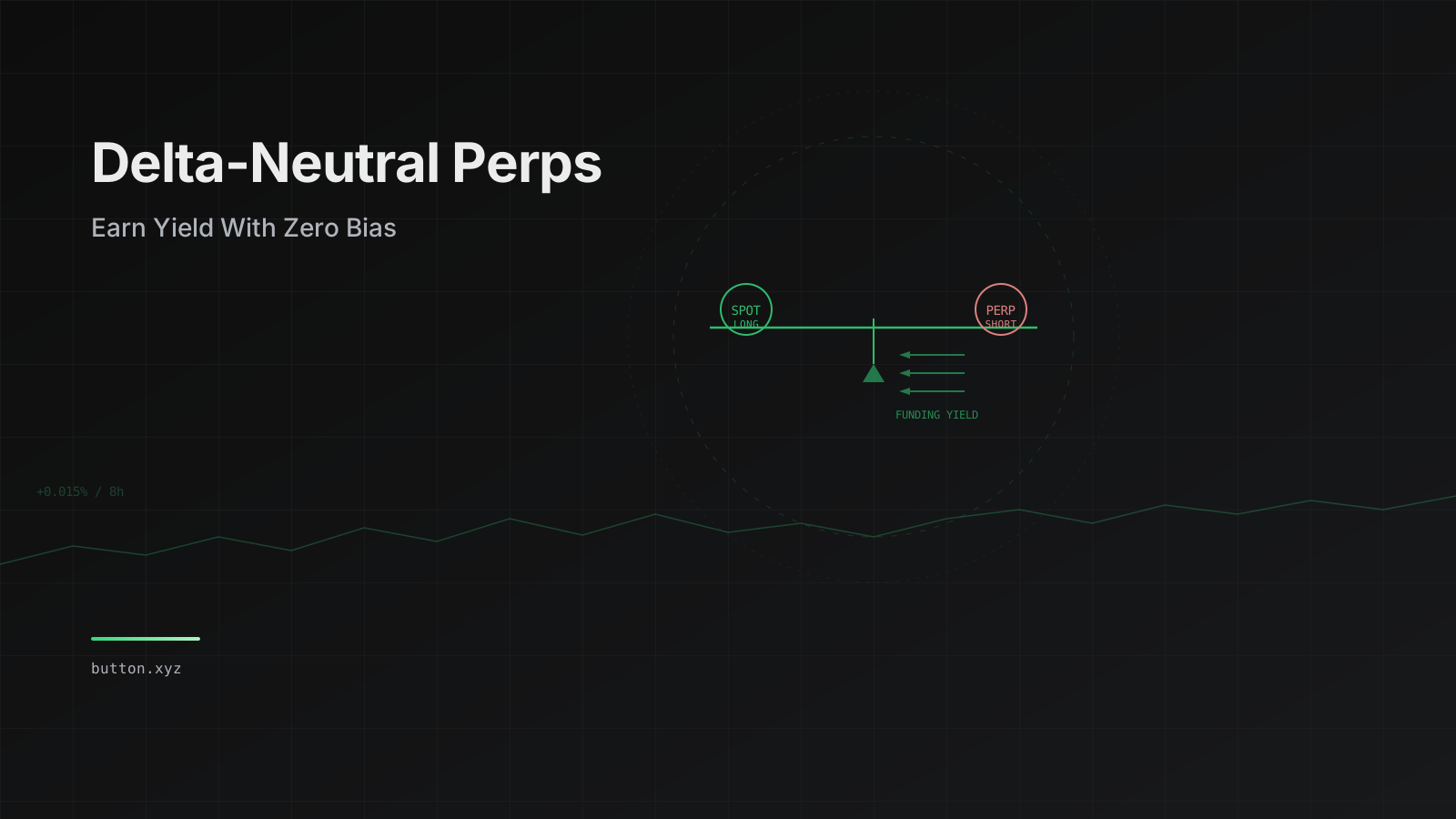
Delta-Neutral Perps: Earn Yield With Zero Bias
How to build delta-neutral perpetual futures positions — collect funding across multiple assets while eliminating directional exposure.
Read post →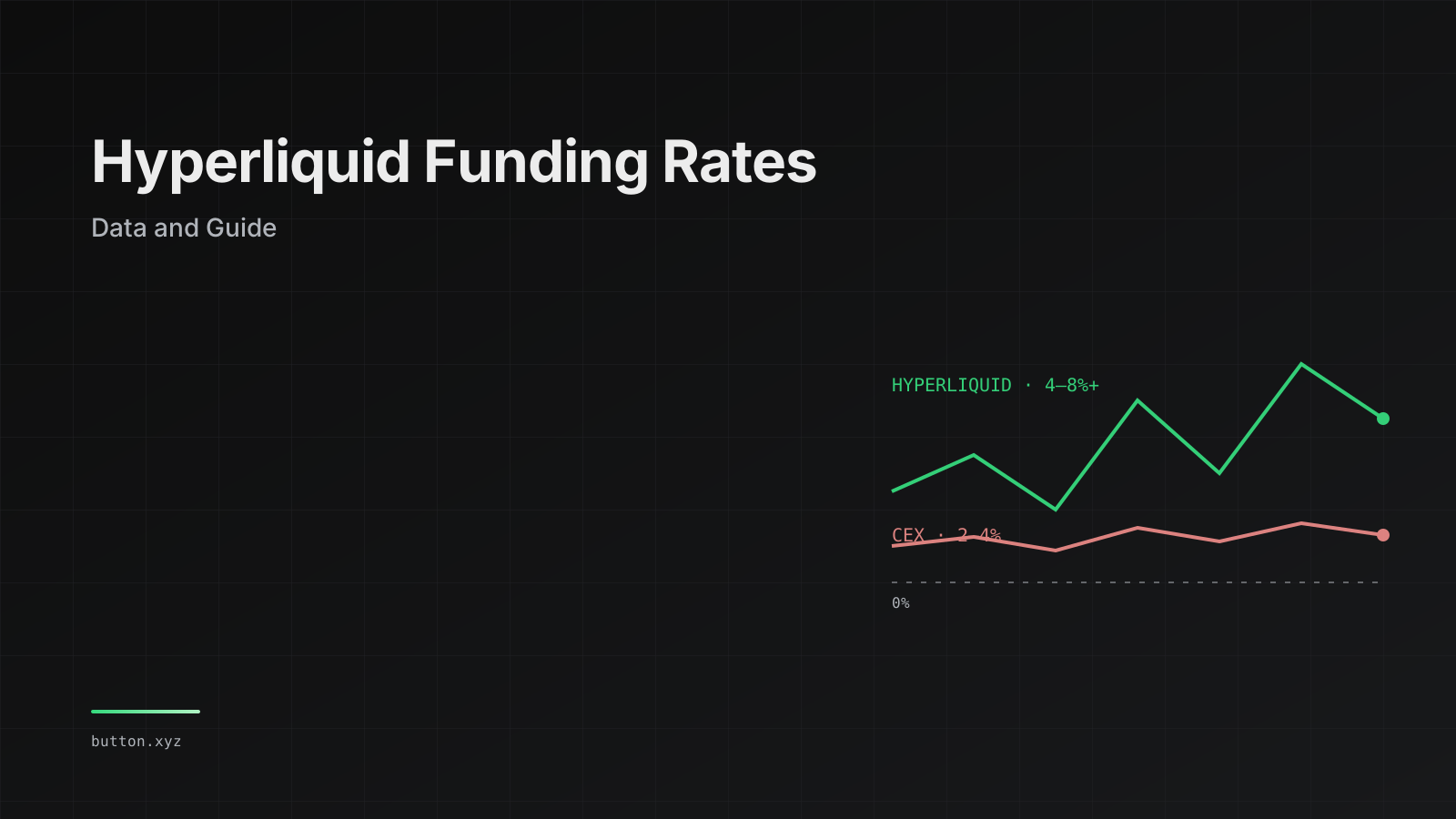
Hyperliquid Funding Rates: Data and Guide
Live Hyperliquid funding rate data — how rates compare to CEXs, why they run hotter, and how traders capture the spread.
Read post →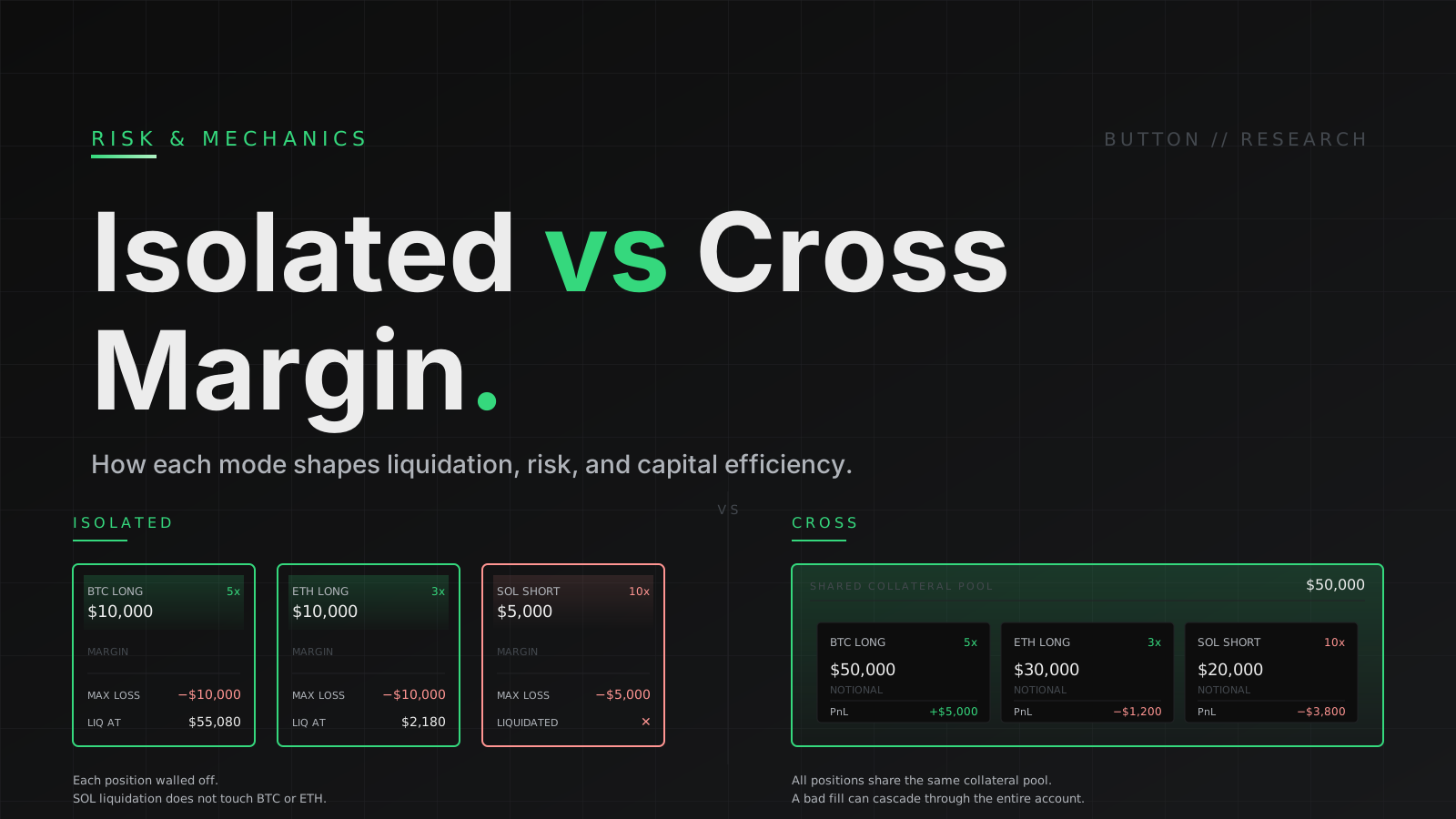
Isolated vs Cross Margin for Perp Traders
Isolated vs cross margin explained — how each mode affects liquidation, risk, and capital efficiency for perpetual futures trading.
Read post →
Hyperliquid Trading Bot: Automate Perps
How to run a trading bot on Hyperliquid — API setup, strategy types, fee optimization, and why the venue is built for automation.
Read post →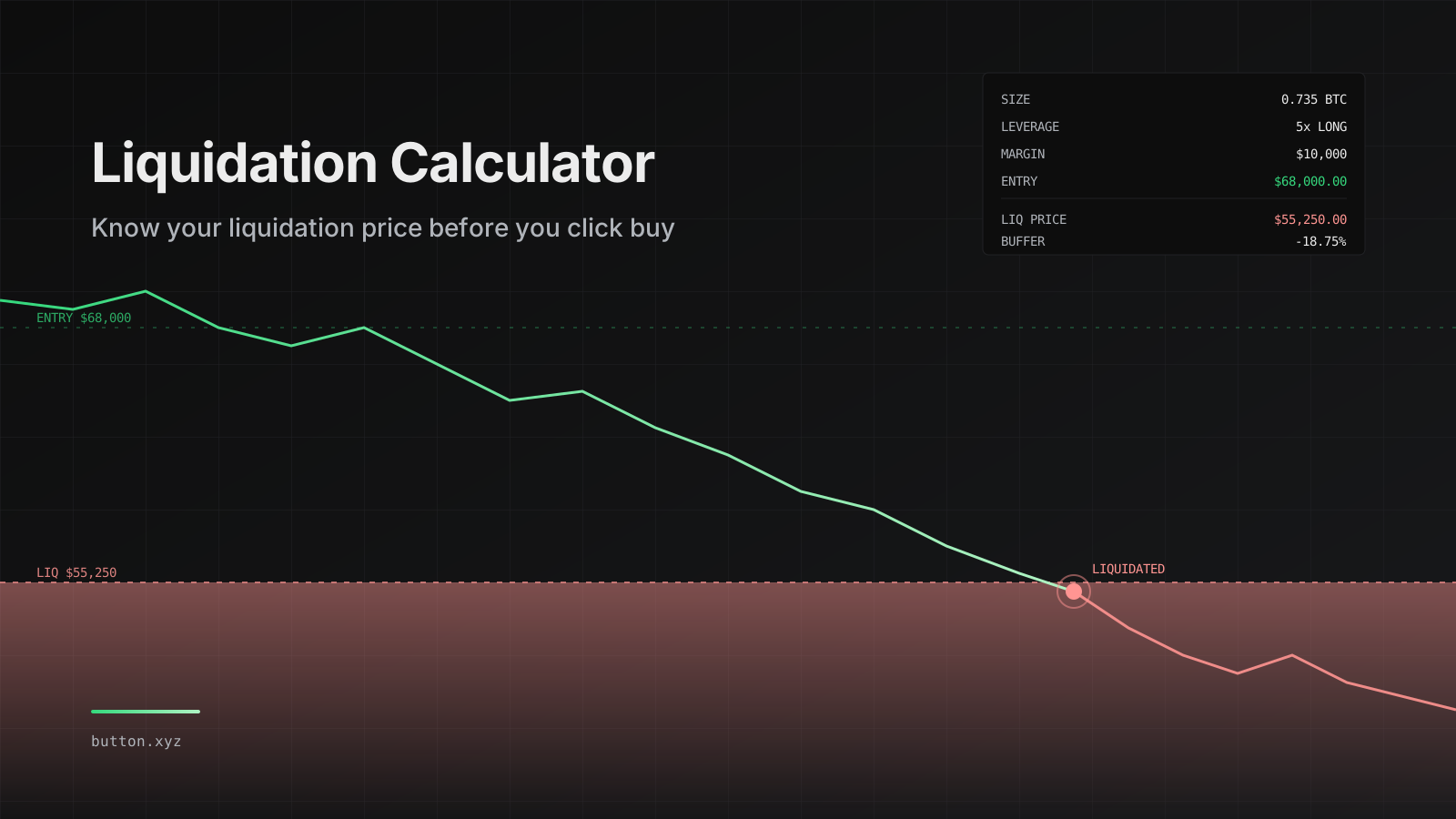
Liquidation Calculator for Crypto Perps
Calculate your liquidation price for perpetual futures. Understand margin, leverage, and how far price can move before your position gets liquidated.
Read post →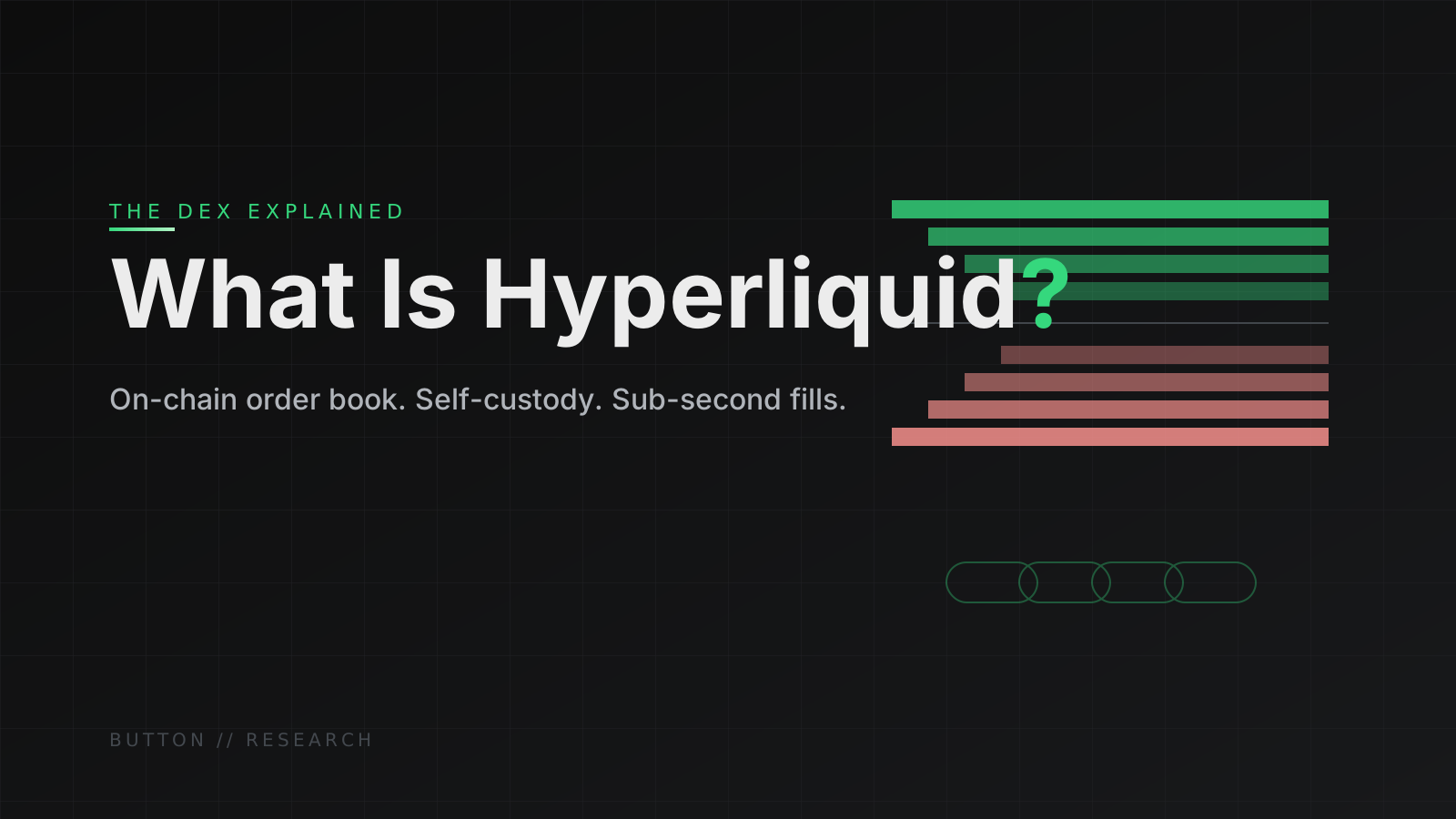
What Is Hyperliquid? The DEX Explained
What Hyperliquid is, how the decentralized perp exchange works, and what makes it different from centralized alternatives.
Read post →
AI Crypto Trading Bots: How They Work and How to Pick One
How AI crypto trading bots actually work, where they fail, and how to evaluate one before trusting it with capital.
Read post →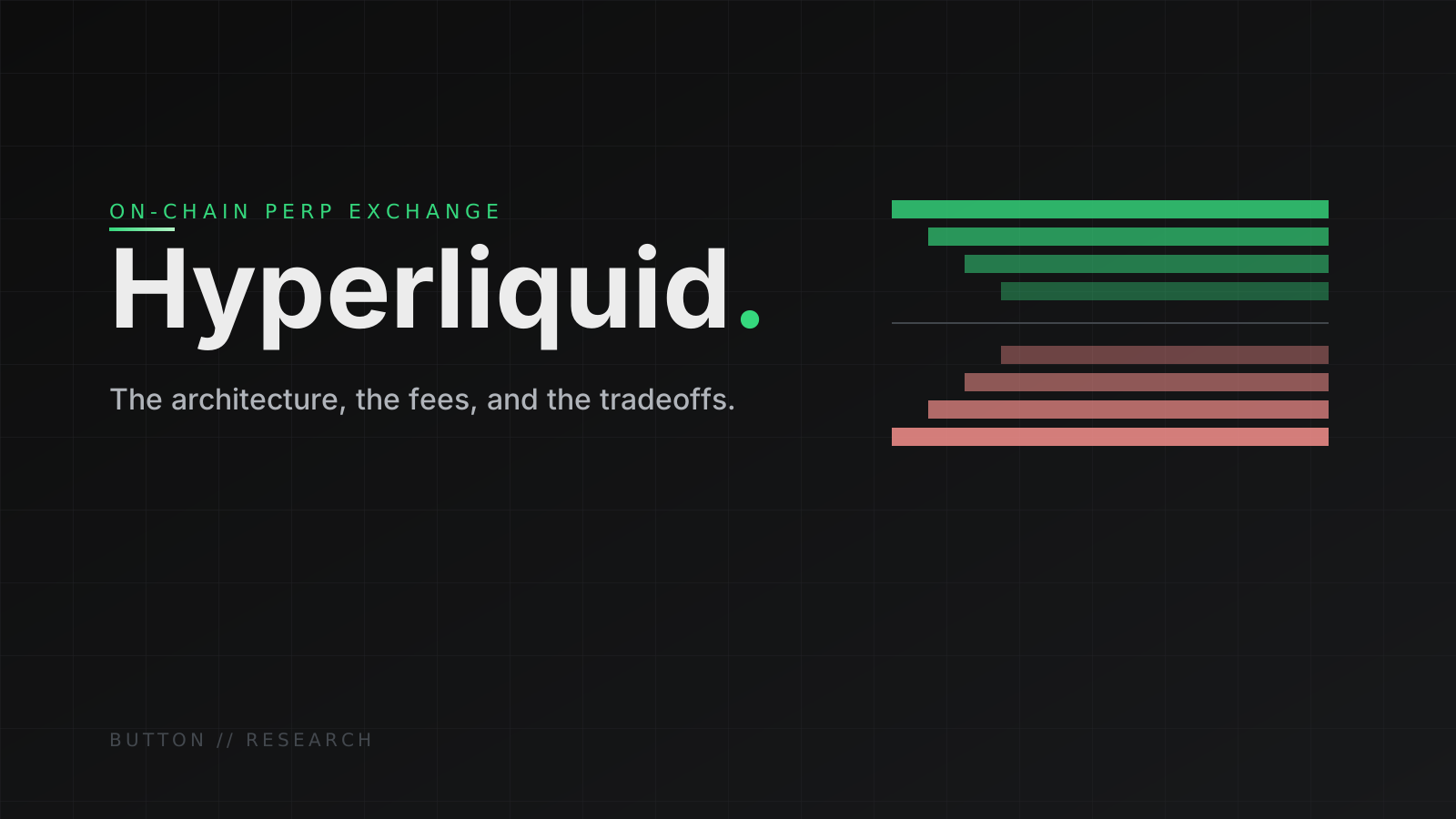
Hyperliquid: The On-Chain Perp Exchange
What Hyperliquid is, how it works, and why active perp traders are moving volume to the on-chain exchange.
Read post →
Hyperliquid Review 2026: Pros, Cons, and Real Numbers
An honest Hyperliquid review for active perp traders — fees, depth, funding, API quality, and what the exchange gets wrong.
Read post →
BTC Perp: How to Trade Bitcoin Perpetual Futures
Everything you need to trade the BTC perp — funding rates, liquidity, venue comparison, and execution tips for active traders.
Read post →
What Are Perps? Perpetual Futures Explained
Perpetual futures explained: what perps are, how they differ from spot trading, and why they dominate crypto derivatives volume.
Read post →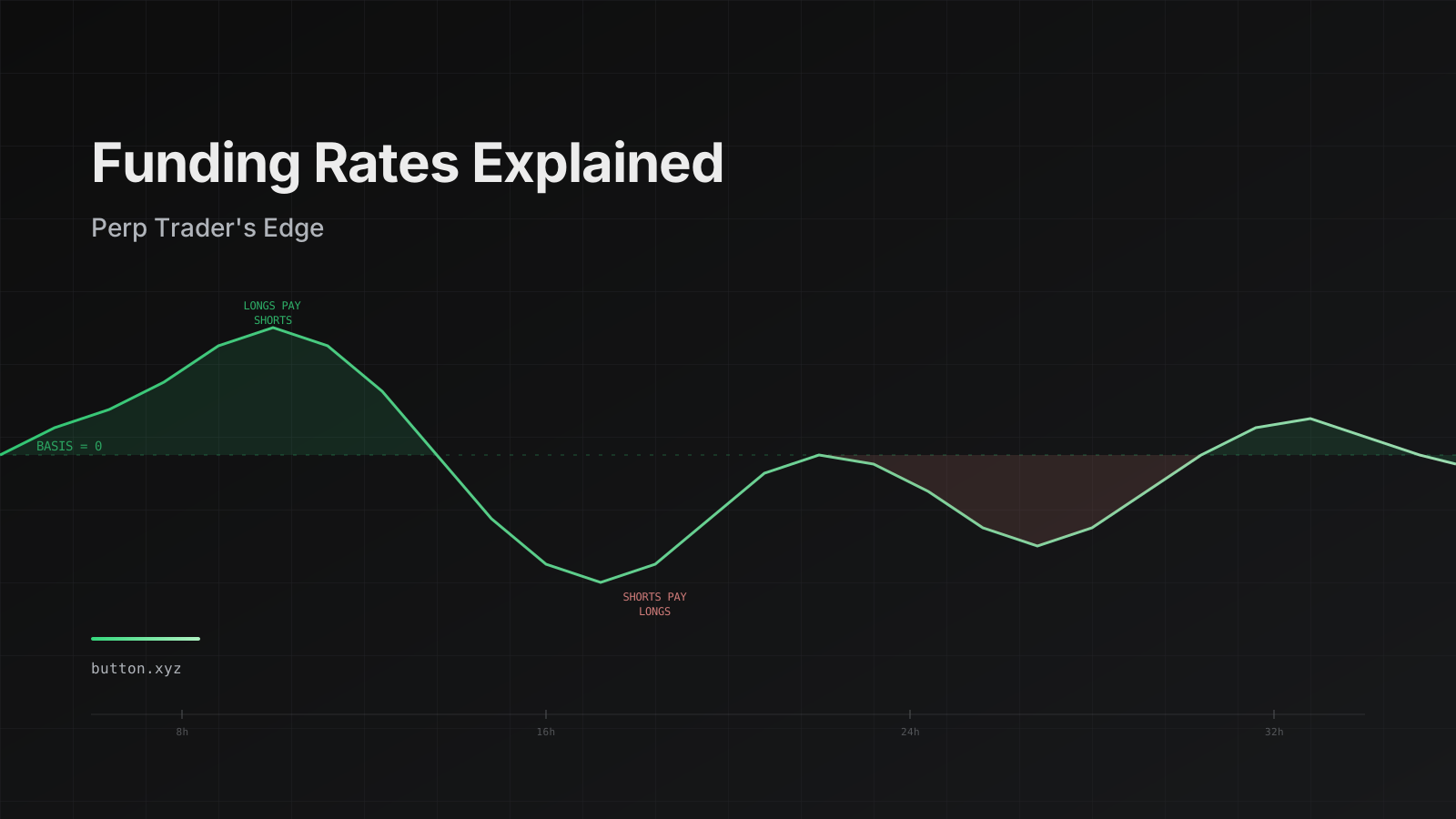
Funding Rates Explained: Perp Trader's Edge
How crypto funding rates work and how active traders use them to generate alpha on perpetual futures.
Read post →
How to Trade Perps: A Beginner's Step-by-Step Guide
A practical step-by-step guide to trading crypto perpetual futures — from choosing a venue to placing your first position.
Read post →
AI Trading Agents: What They Are and How to Deploy One
What AI agents do in trading, how they differ from bots, and how to deploy one on Hyperliquid perps.
Read post →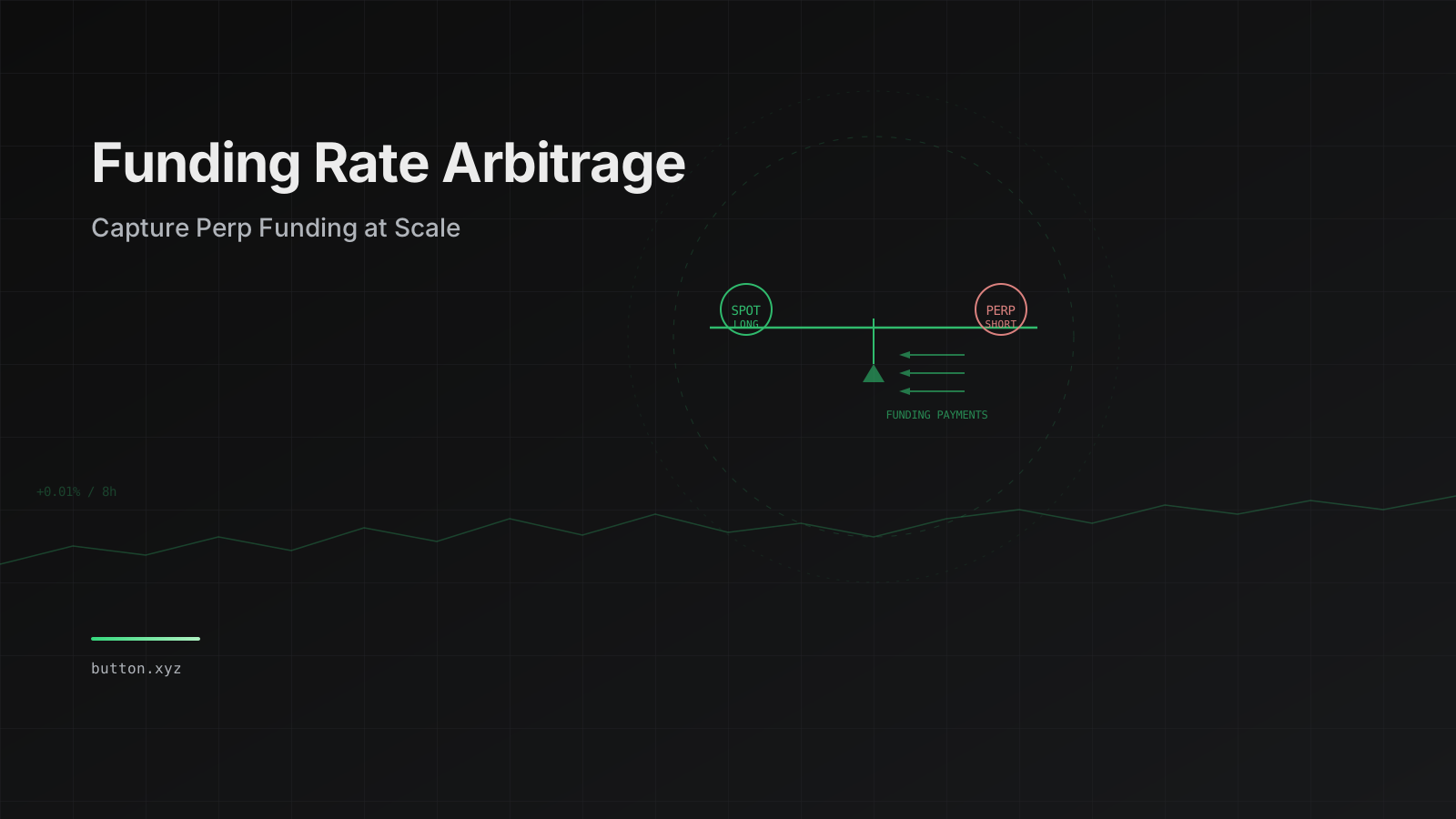
Funding Rate Arbitrage: Capture Perp Funding at Scale
A step-by-step funding rate arbitrage playbook for crypto perps — the math, the execution, and how to automate the capture on Hyperliquid.
Read post →
Hyperliquid Perps: The Pro Trader's Guide (2026)
A pro trader's guide to Hyperliquid perps — fees, funding, depth, strategies, and the API. Honest take, no airdrop hype.
Read post →
Hyperliquid vs dYdX: Which On-Chain Perps Venue Actually Wins?
A head-to-head comparison of Hyperliquid and dYdX for pro traders — fees, depth, funding, listings, and the API story.
Read post →
Tailoring HyperCore and HyperEVM
Technical details on how Button Vaults utilize HyperCore and HyperEVM to earn yield.
Read post →