Perps
24 articles tagged Perps.
24 Articles
24 entries
The Case for Growing the Equity Perps Market
The stock market is the deepest pool of capital in human history, and it still keeps banker's hours. Weekly equity-perp volume grew 5.7× in four months this year — and it's still a rounding error next to what it should be. The case for building the market that finishes what traditional finance started.
Read post →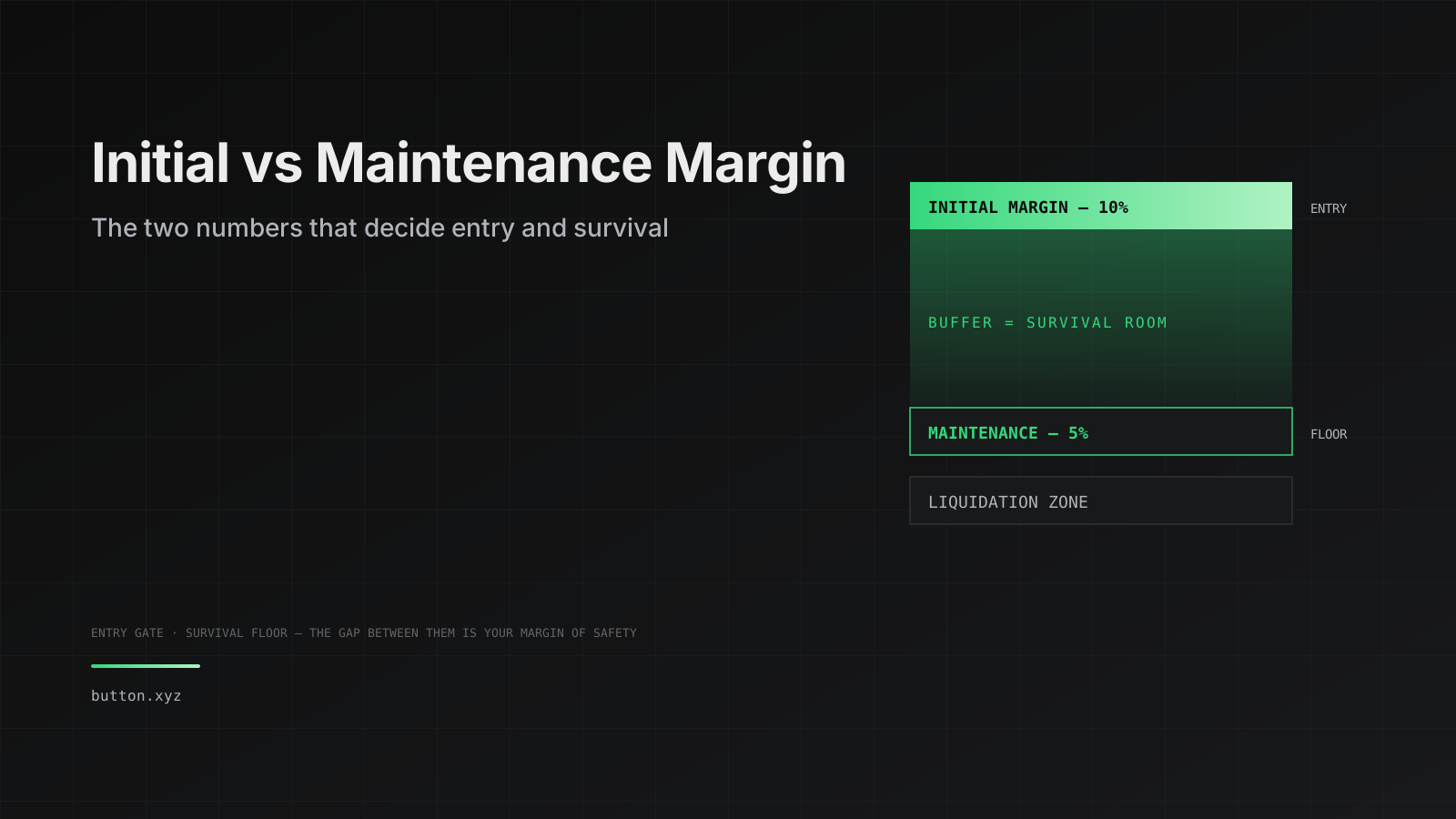
Initial vs Maintenance Margin Explained
The difference between initial and maintenance margin for crypto perps — how each works, when they matter, and how to avoid liquidation.
Read post →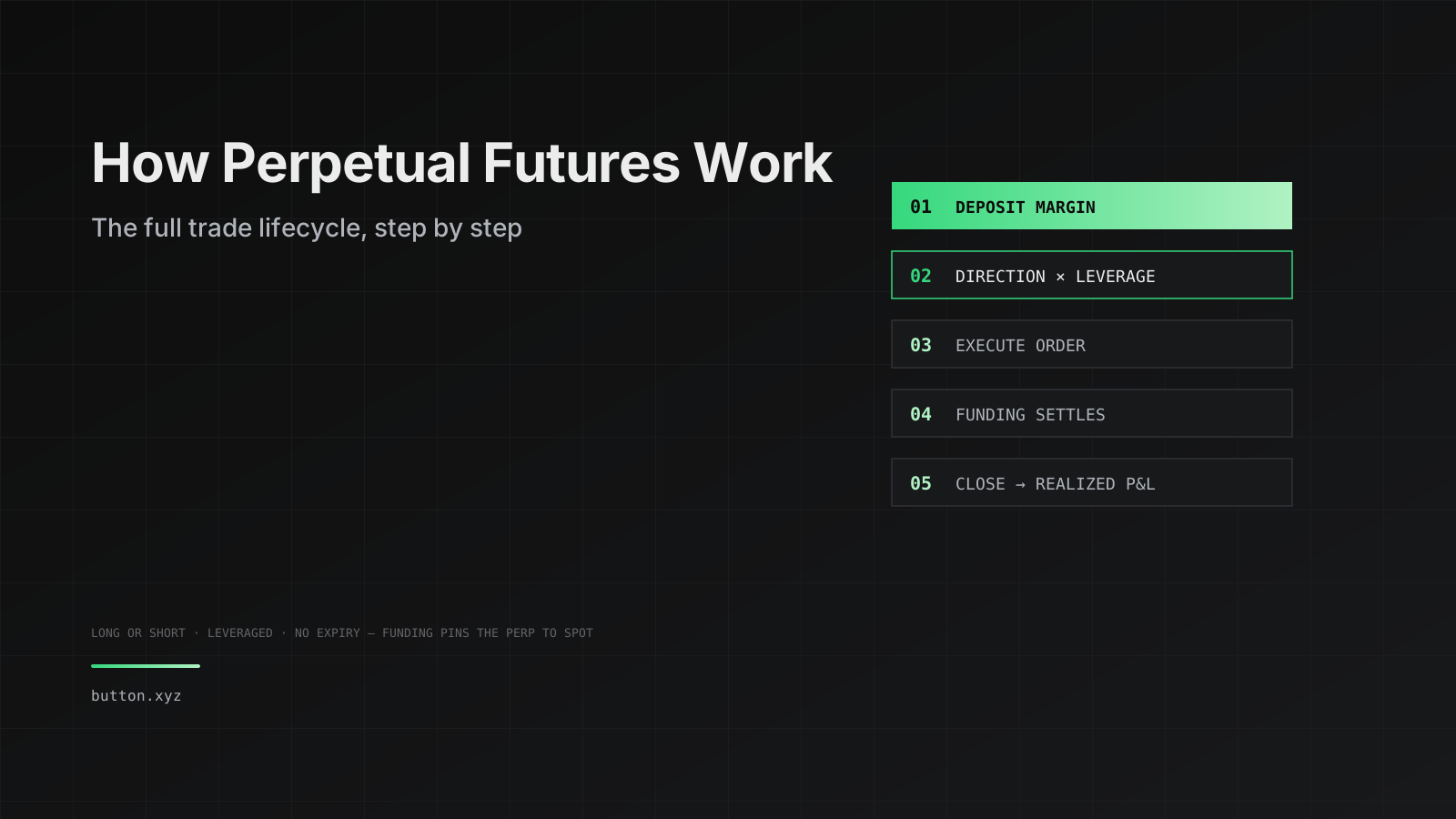
How Do Perpetual Futures Work? Full Breakdown
Step-by-step explanation of how perpetual futures work — margin, leverage, funding, liquidation, and how traders use them to profit in any direction.
Read post →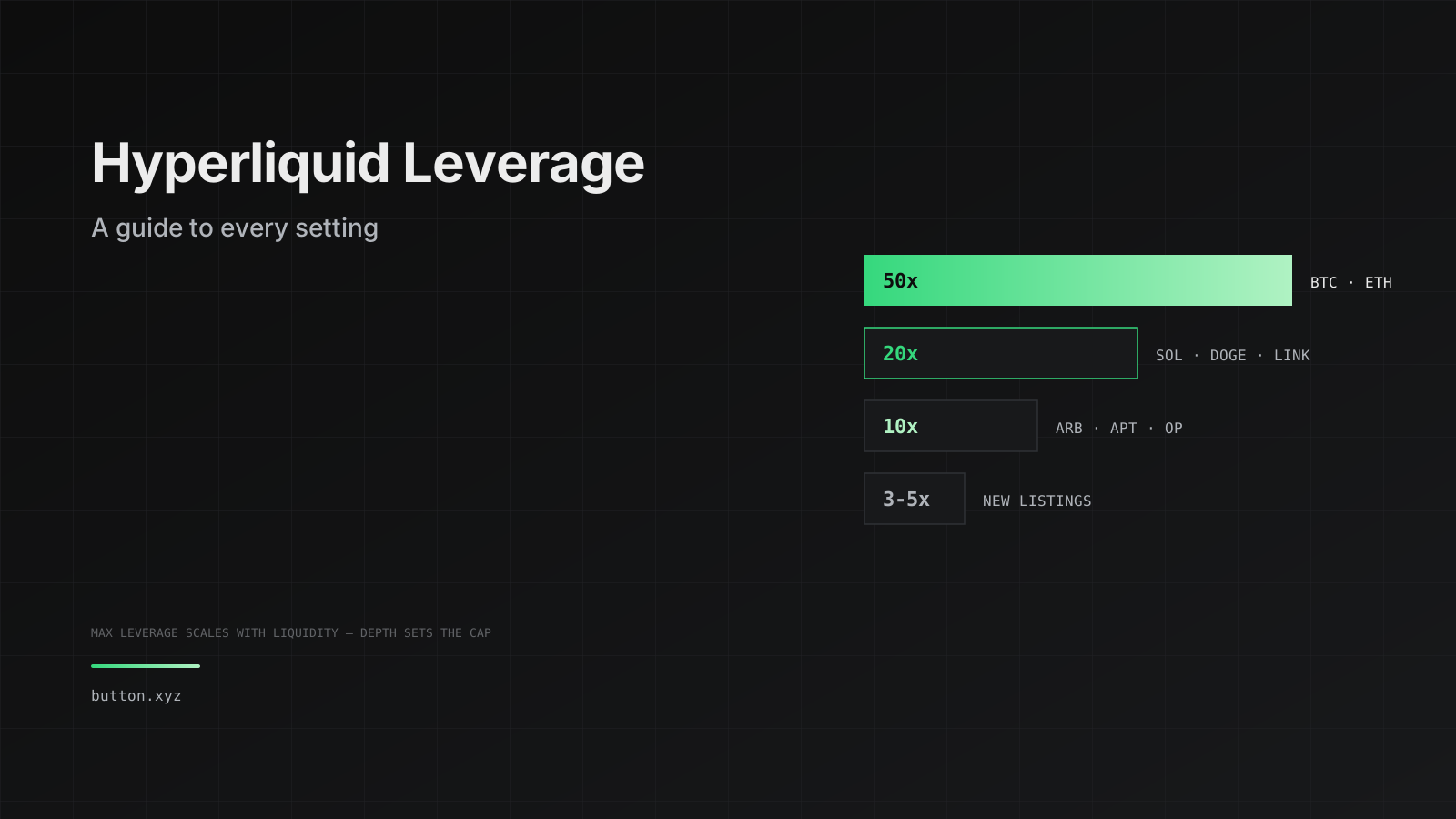
Hyperliquid Leverage: Guide to Every Setting
How leverage works on Hyperliquid — max leverage per pair, margin modes, liquidation mechanics, and the settings that keep you solvent.
Read post →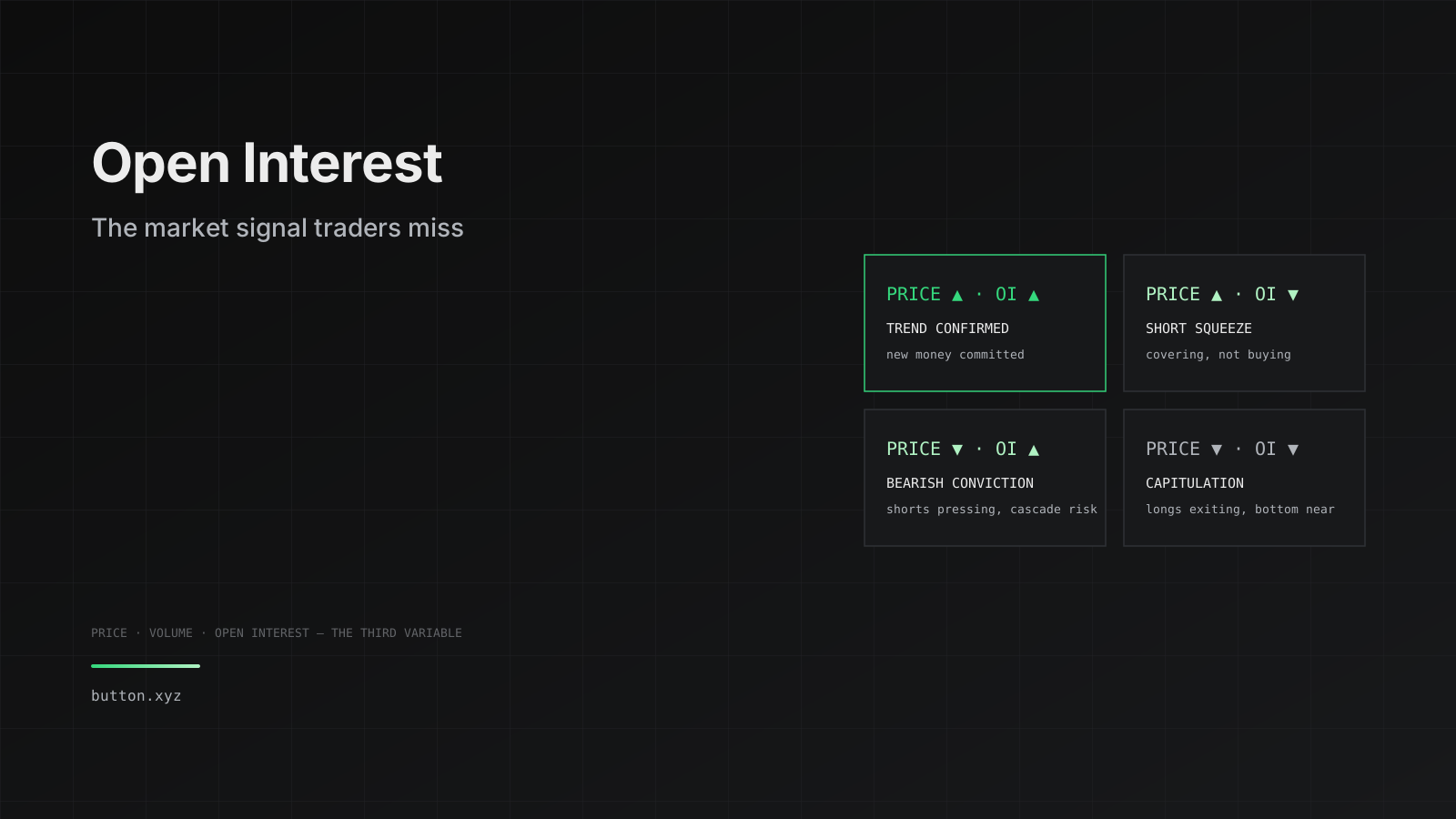
Open Interest: The Market Signal Traders Miss
What open interest is, how to read it for crypto perps, and how rising or falling OI signals trend strength, reversals, and liquidation risk.
Read post →
Binance Perps vs Hyperliquid: Which to Use
Head-to-head comparison of Binance and Hyperliquid for perpetual futures — fees, depth, funding, custody, and when to use each.
Read post →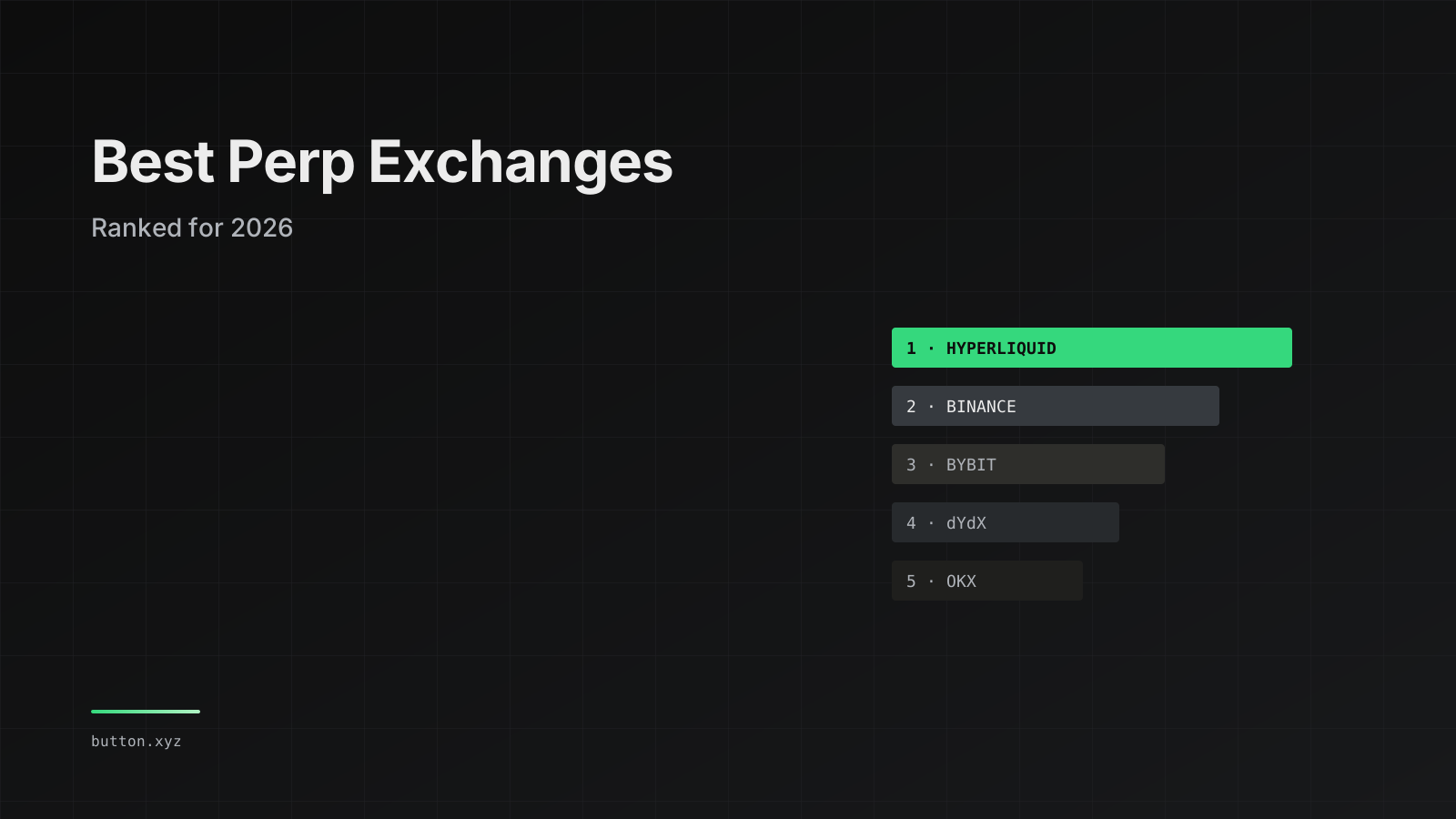
Best Perpetual Futures Exchanges (2026)
Ranked comparison of the best perpetual futures exchanges — fees, depth, funding rates, custody, and which traders each one serves.
Read post →
Perp Trading Strategies That Actually Work
Proven perpetual futures strategies — directional, carry, pairs, and event-driven approaches with sizing rules and risk frameworks.
Read post →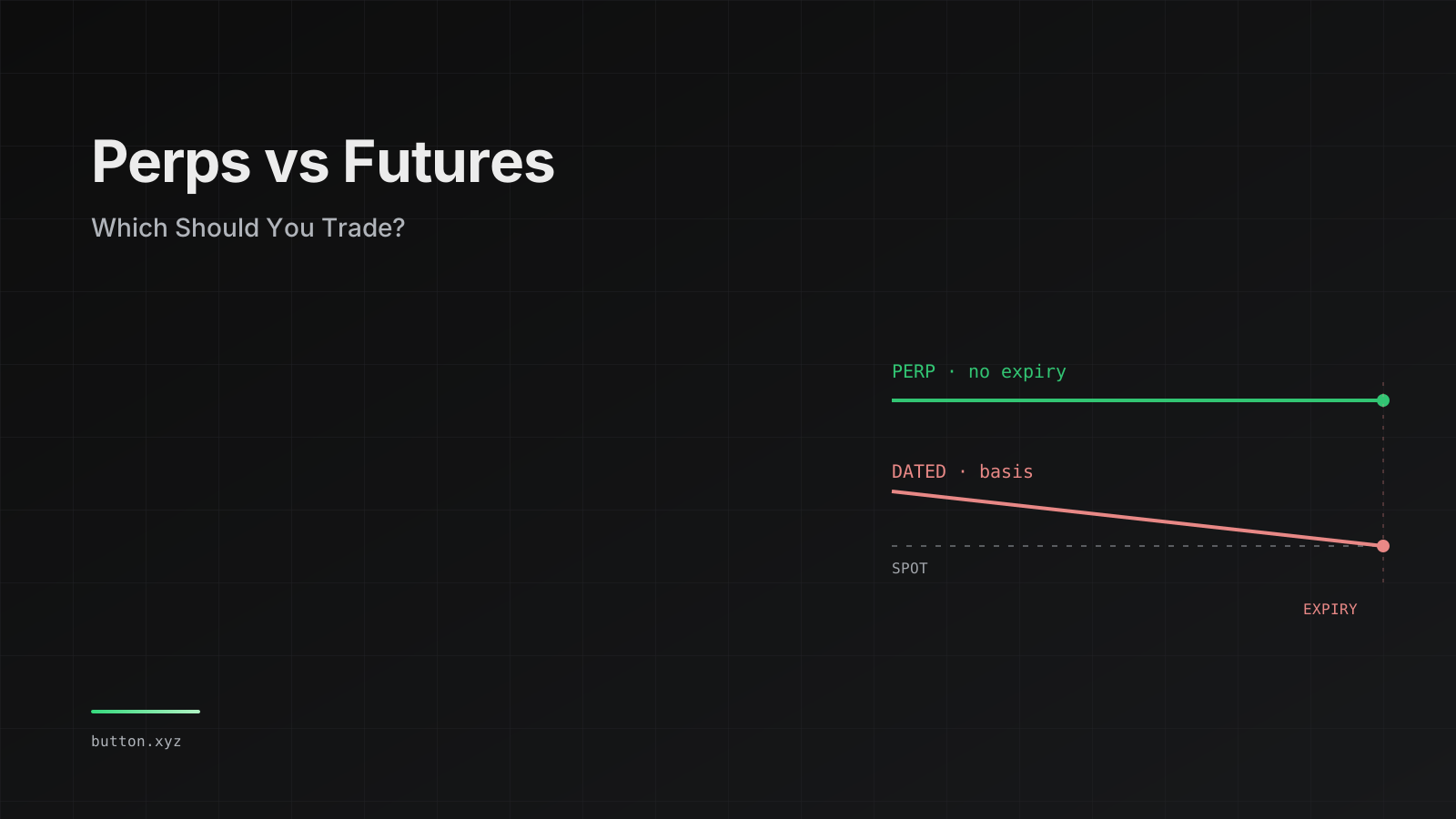
Perps vs Futures: Which Should You Trade?
Perpetual futures vs dated futures — how they differ in mechanics, cost, and when to use each for crypto trading.
Read post →
SOL Perp: Solana Perpetual Futures Guide
How to trade SOL perps — funding rates, leverage sizing, venue comparison, and strategies for Solana perpetual futures.
Read post →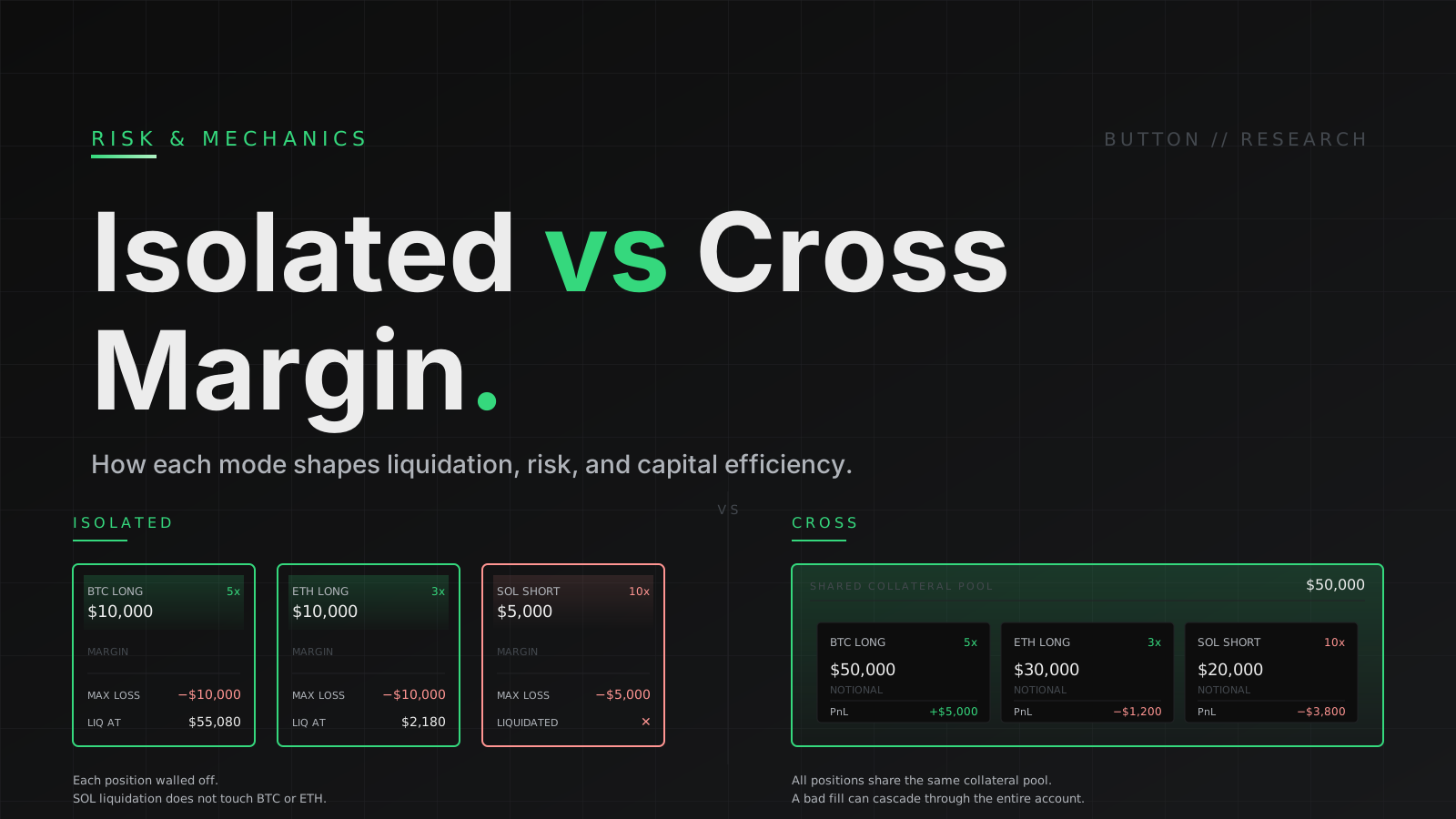
Isolated vs Cross Margin for Perp Traders
Isolated vs cross margin explained — how each mode affects liquidation, risk, and capital efficiency for perpetual futures trading.
Read post →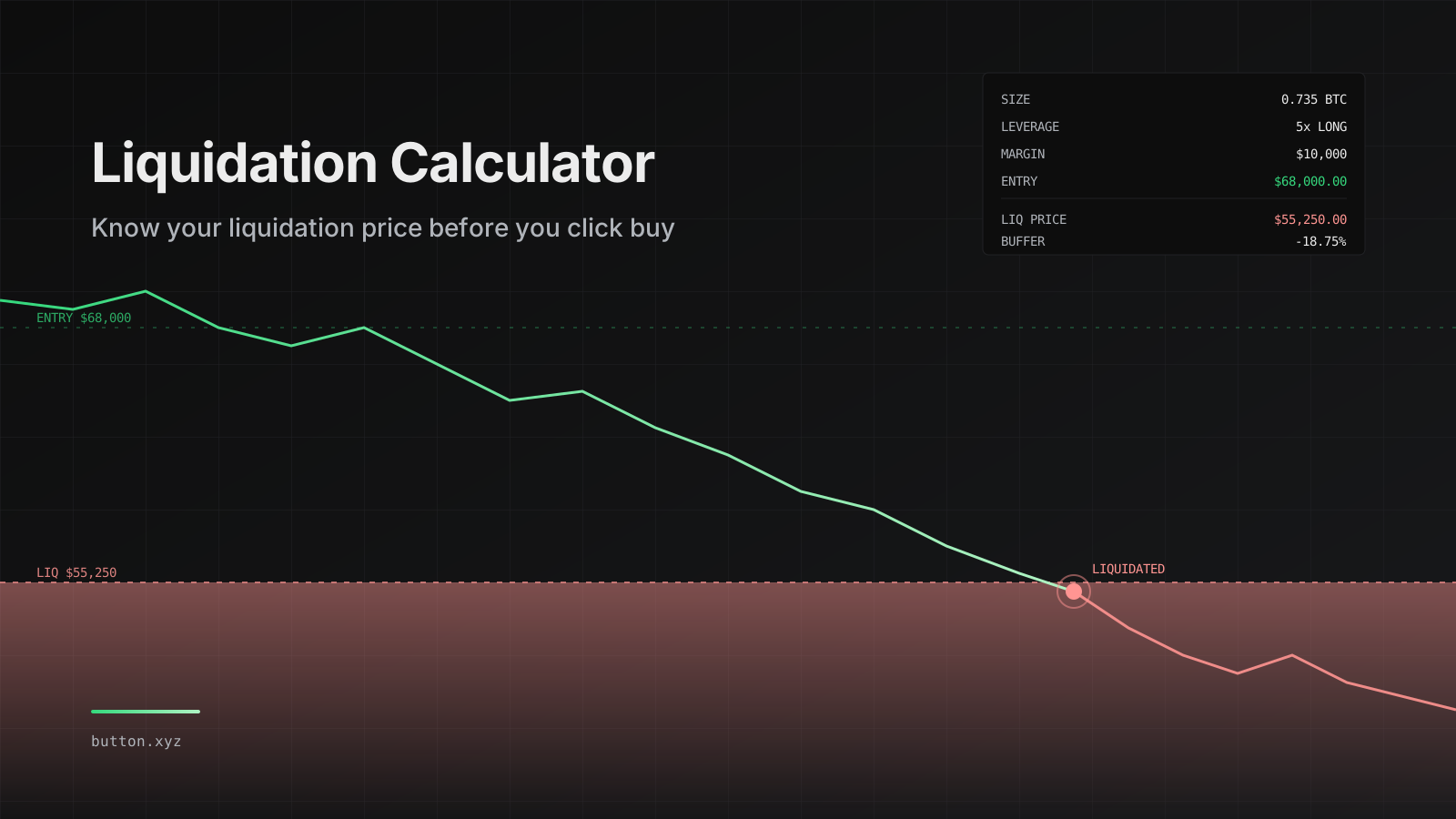
Liquidation Calculator for Crypto Perps
Calculate your liquidation price for perpetual futures. Understand margin, leverage, and how far price can move before your position gets liquidated.
Read post →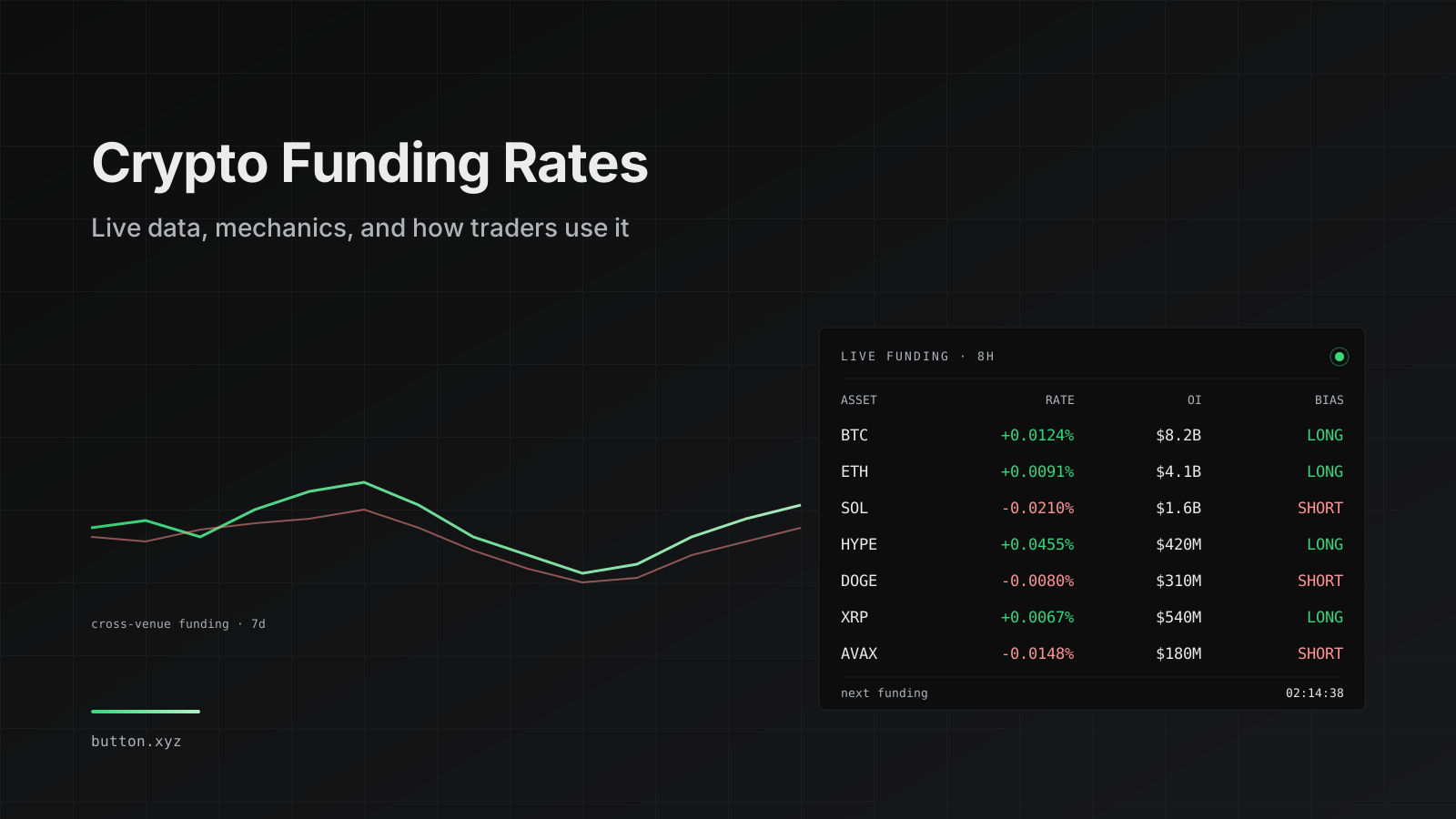
Crypto Funding Rates: Live Data and Guide
How crypto funding rates work across exchanges, what drives them, and how traders use funding data to find edge in perp markets.
Read post →
ETH Perp: Ethereum Perpetual Futures Guide
How to trade ETH perps — funding rates, leverage, venue comparison, and strategies for Ethereum perpetual futures.
Read post →
Crypto Perps: What Makes Crypto Perpetuals Different
What makes crypto perps different — 24/7 markets, funding mechanics, leverage, and where crypto perpetual futures diverge from TradFi derivatives.
Read post →
What Is Hyperliquid? The DEX Explained
What Hyperliquid is, how the decentralized perp exchange works, and what makes it different from centralized alternatives.
Read post →
Hyperliquid: The On-Chain Perp Exchange
What Hyperliquid is, how it works, and why active perp traders are moving volume to the on-chain exchange.
Read post →
Perps Trading: The Active Trader's Playbook
How active traders approach perps — from reading funding to sizing positions to choosing venues. A framework, not a tutorial.
Read post →
Hyperliquid Review 2026: Pros, Cons, and Real Numbers
An honest Hyperliquid review for active perp traders — fees, depth, funding, API quality, and what the exchange gets wrong.
Read post →
BTC Perp: How to Trade Bitcoin Perpetual Futures
Everything you need to trade the BTC perp — funding rates, liquidity, venue comparison, and execution tips for active traders.
Read post →
What Are Perps? Perpetual Futures Explained
Perpetual futures explained: what perps are, how they differ from spot trading, and why they dominate crypto derivatives volume.
Read post →
Perpetual Futures: A Complete Guide for Crypto Traders
What perpetual futures are, how funding rates keep them tethered to spot, and why perps dominate crypto derivatives volume. Written for active traders.
Read post →
Hyperliquid Perps: The Pro Trader's Guide (2026)
A pro trader's guide to Hyperliquid perps — fees, funding, depth, strategies, and the API. Honest take, no airdrop hype.
Read post →
Hyperliquid vs dYdX: Which On-Chain Perps Venue Actually Wins?
A head-to-head comparison of Hyperliquid and dYdX for pro traders — fees, depth, funding, listings, and the API story.
Read post →